
DebtZap Research
2026 Debt settlement costs $12,000 more than counseling or consolidation
Compare 2026 debt relief costs: settlement saves most but tanks credit, counseling costs $0 upfront, consol...
Compare top-rated Credit Counseling professionals in the New York area. All providers are licensed, insured, and reviewed by real customers.
Compare Options BelowCompare 2026 debt relief costs: settlement saves most but tanks credit, counseling costs $0 upfront, consol...

Borrowers with 580 credit scores pay $3,800 more in interest on identical $25,000 debt consolidation loans ...

Compare 3 real strategies to pay off $15,000 credit card debt in 2026. Balance transfer vs. consolidation l...
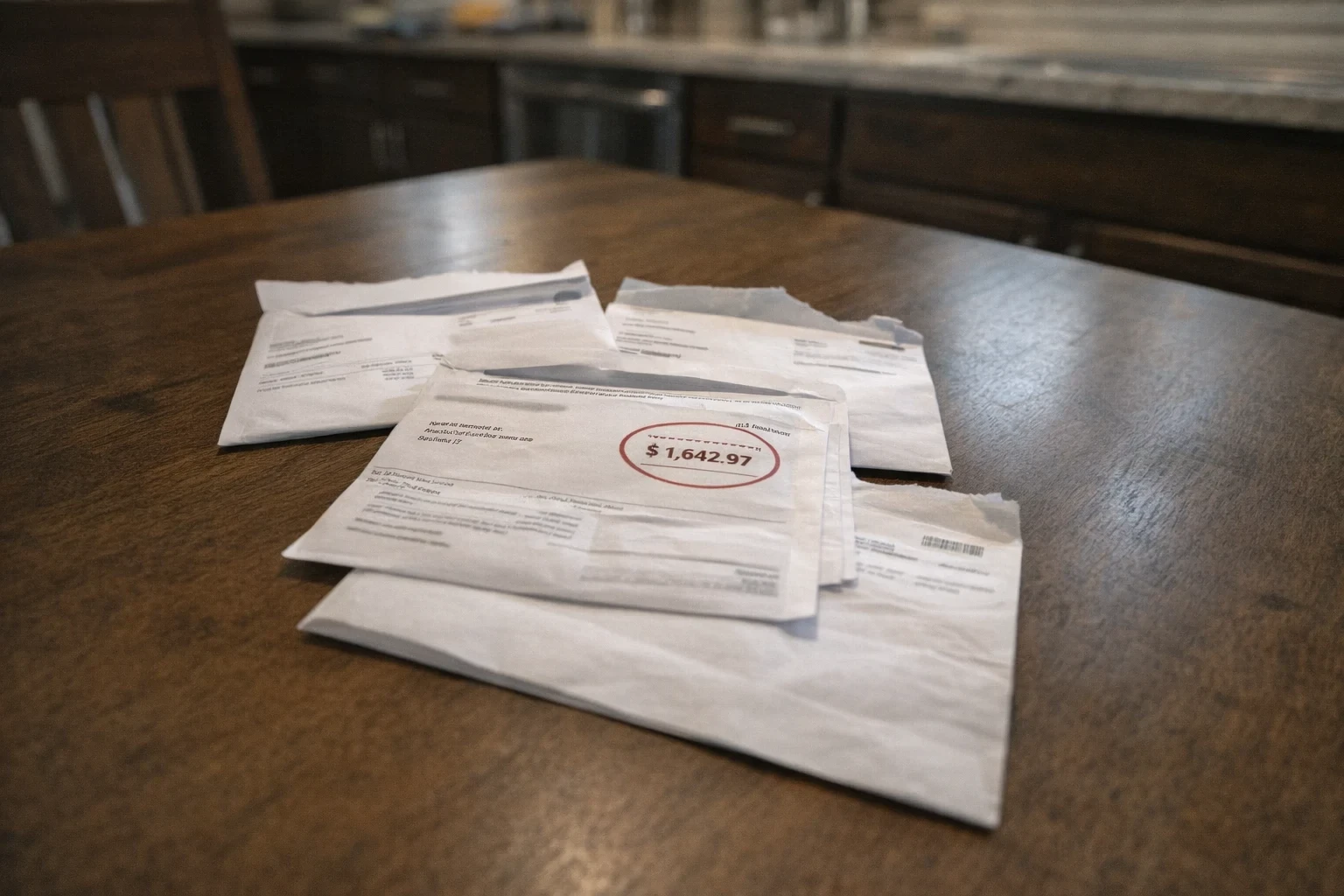
New 2026 data reveals credit card rate spreads create $2,200 annual cost gap for identical borrowers. Learn...
Credit counseling is a service designed to support individuals struggling with debt. Trained counselors provide guidance to overcome your debt. The goal is to create a personalized plan that meets your financial situation.
You should consider credit counseling if you realize you’re struggling with payments or incurring debt. On the other hand, if you're controlling your debt well and don’t have unpaid bills, you might not need these services. Consider your financial health before deciding.
The process typically begins with an initial consultation, where your financial situation is reviewed. Counselors will gather information about your income, expenses, and debts. This usually takes about an hour or so. After this, they will develop a debt management plan (DMP) tailored to you.
Credit counseling often employs tools like spending plans and debt repayment strategies. Counselors may also refer you to educational workshops that cover budgeting, saving, and credit management.
The cost of credit counseling can vary widely based on agencies and location. Generally, you can expect to pay between $0 and $50 for an initial consultation. For ongoing services, fees may range from around $20 a month. Factors that affect pricing include the complexity of your debt and the specific services offered.
Some agencies may offer income-based fees based on your financial situation. Be sure to ask what’s included in the fee and whether there are any additional costs.
According to Price-Quotes Research Lab data for New York, NY, the average cost for Credit Counseling services ranges based on complexity, time of service, and provider experience. Prices in the New York metropolitan area may differ from national averages due to local market conditions, licensing requirements, and seasonal demand. Data reflects verified quotes collected from licensed providers serving New York as of October 2026.
Source: Price-Quotes Research Lab, DebtZap New York Market Report (2026). Methodology: Aggregated pricing data from verified, licensed providers. Sample covers the New York, NY metropolitan area.
| Service | Low | Average | High | Unit | Confidence |
|---|---|---|---|---|---|
| Bankruptcy Filing | $335 | $400 | $475 | per job | ●●●○○ |
| Credit Card Debt Relief | $1500 | $4000 | $7500 | per job | ●●●○○ |
| Credit Counseling | $50 | $75 | $100 | per visit | ●●●○○ |
| Credit Repair | $99 | $199 | $299 | per month | ●●●○○ |
| Debt Consolidation | $500 | $2500 | $7500 | per job | ●●●○○ |
| Debt Settlement | $1000 | $3500 | $7000 | per job | ●●●○○ |
Source: Price-Quotes Research Lab, New-York Market Report. Based on 6 service categories. Data collected from verified, licensed providers. Methodology | Audit Trail
Price-Quotes Research Lab data shows no price data is currently available for debt services in New York City. However, the need for these services is likely significant, particularly in areas experiencing economic hardship. Neighborhoods like the South Bronx, with its high population density and diverse housing stock – from pre-war apartment buildings to public housing complexes – may see elevated demand. The complex interplay of rent regulations, property taxes, and the cost of living, especially for those commuting on the MTA subways and buses, can contribute to financial strain. The intricate nature of New York's real estate market, with its strict zoning laws and permitting processes, further complicates matters for those facing debt. The potential for unexpected expenses, like those stemming from the city's aging infrastructure (e.g., water main breaks), adds to the financial pressures faced by many residents. This complex financial landscape highlights the potential for debt services.
Our pricing data suggests no current premium for debt services in New York City. However, the demand for these services may fluctuate. The need for debt services may surge in January after the holiday season when credit card bills come due. These are the months when New Yorkers deal with the aftermath of holiday spending and the city is at its coldest. Unexpected costs, such as those related to snow removal after a major blizzard, and the cost of heating an apartment, can contribute to financial stress. Conversely, as tax refunds begin to arrive in the spring, the need for debt services may decrease.
While no price data is available from Price-Quotes Research Lab for debt services in New York City, we can infer that the cost would likely be influenced by the city's high cost of living. The presence of strong labor unions in the financial sector, a significant concentration of financial institutions in areas like Midtown Manhattan, and the complex legal landscape all contribute to the expenses. Compare this to the national average, where costs might be lower due to different economic factors. The fees charged by debt service providers will vary, but in a city with such high operating costs, prices are likely to be higher than in other locations. The specific services will vary, but the cost of legal representation for a local resident could be a significant expense.
Price-Quotes Research Lab • Anonymous • Helps set better industry standards
How would you rate your most recent Credit Counseling experience?
What was the biggest issue? (pick one)
How much did you pay? (rough estimate is fine)
Thanks! Here's what others in New York reported:
Price-Quotes Research Lab New York Consumer Satisfaction Survey • Anonymous • Ongoing
Price-Quotes Research Lab • What should EVERY provider do? • 10 seconds
Which should be MANDATORY for all financial service providers? (pick all that apply)
Great picks! Here's what New York consumers agree on:
Price-Quotes Research Lab — "What Consumers Want" Standards Report • New York, NY
Price-Quotes Research Lab • Quick trade-offs • Helps providers improve
Would you pay a higher rate/fee if it guaranteed...
Interesting! Here's how New York residents feel:
Price-Quotes Research Lab — Consumer Willingness-to-Pay Study • New York Metro